By a guest contributor
New to football? Once you start following the game, you’ll notice that some clubs feel enormous even though they rarely win anything. This article explains why. Still learning the basics? Our football guide for beginners covers the rules, positions and how a match works.
Football, the beautiful game, has captivated fans for more than 150 years. Its history has been shaped by great clubs, famous trophies and even iconic shirts. Some clubs are world-renowned brands in their own right, recognised by fans on every continent. But beyond the trophy cabinet, some clubs have strong identities without the success of teams like Barcelona or Manchester United. They have large, passionate fan bases, and while they may not have matched the success of Real Madrid or Juventus, they are still ‘big’ in their own right.
Beyond the trophy cabinet
It’s worth questioning how we rank clubs. Many people point to trophies won, but that tells only half the story. Brentford is a good example: a Premier League club with modest resources that has established itself in the top flight and regularly punches above its weight. Sunderland is another success story. In their first season back in the Premier League, they finished seventh and qualified for the UEFA Europa League. Passionate supporters can make a club bigger than the sum of its parts, and a club’s size is arguably better measured by its reputation, resources and fan base than by the weight of its trophy cabinet.
Stories and expectation
Clubs that have rarely, or never, won a major league or tournament can still be ‘big’. Moments and fixtures shape their history, and results are remembered by the supporters who witnessed them. Take the phenomenon of ‘giant killing’ in cup competitions: smaller clubs often rise to the occasion and draw with, or even beat, far more prestigious teams. These nights become legendary and keep a club in people’s memories, despite its relative ‘smallness’.
Shirts and kits
Iconic shirts can also become an important part of a club’s identity, with certain designs closely associated with legendary players and unforgettable moments. It’s not just the action on the pitch that shapes a club’s identity, but also what the players wore in those big moments. Some of the most iconic shirts in history have become legendary in their own right, and fans remember them long after the final whistle, often buying replicas to celebrate that legacy and make a smaller club feel a lot bigger. Football shirts are also a creative playground for designers, who produce memorable kits for players to wear on the field.
Supporters
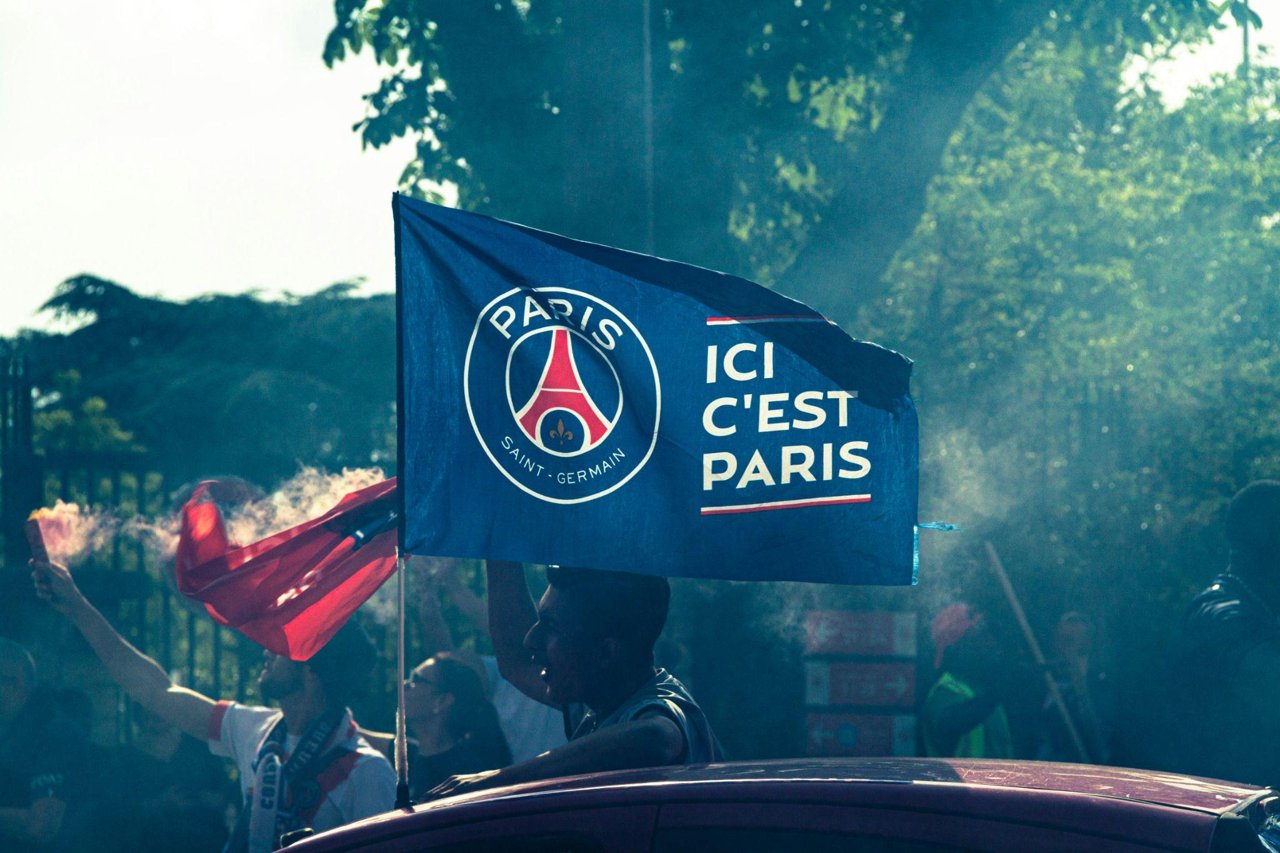
Passionate supporters are the beating heart of football, and they can make even clubs without consistent success feel bigger than the sum of their parts. Napoli are a good example. They have won Serie A in recent seasons, but they have also gone through long spells without silverware. What keeps them big is a massive fan base, not only in Naples, where they are the city’s only major club, but far beyond, thanks to a legendary history (the signing and performances of Diego Maradona spring to mind). Organised supporter groups, known as ‘ultras’ in many countries, add to that reputation with flags, choreographies and chants that are recognised around the world.
Traditions
Many clubs have traditions that make their presence felt without major trophies. Songs, club history, legendary players and loyal supporters all add to their standing, making the trophy cabinet only part of the story. Pre-match rituals are a big part of this too, with fans supporting their side in ways that are recognised worldwide. You can see this on the biggest stage of all, the World Cup, especially among African nations whose fans celebrate before, during and after matches, whatever the result. Think of the unforgettable drone of the vuvuzelas when South Africa hosted the 2010 World Cup, or Senegal’s relentless drummers in Qatar in 2022.
Big is more than silverware
There are plenty of huge clubs with dozens of trophies to their names. But smaller clubs can earn recognition through their supporters, memorable victories and even their shirt designs. In that sense, football is truly egalitarian, and it’s easy to see why it remains the most popular sport in the world.
Want to start playing or watching with more understanding? Read our beginner’s guide to football.
About to play football for the first time? Got a tip for new players? Let us know!
No comments yet. Be the first!